Crafting Your Property's Security: A Step-by-Step Bushfire Management Plan Overview
Wiki Article
Necessary Tips for Bushfire Administration to Make Sure Fire Protection
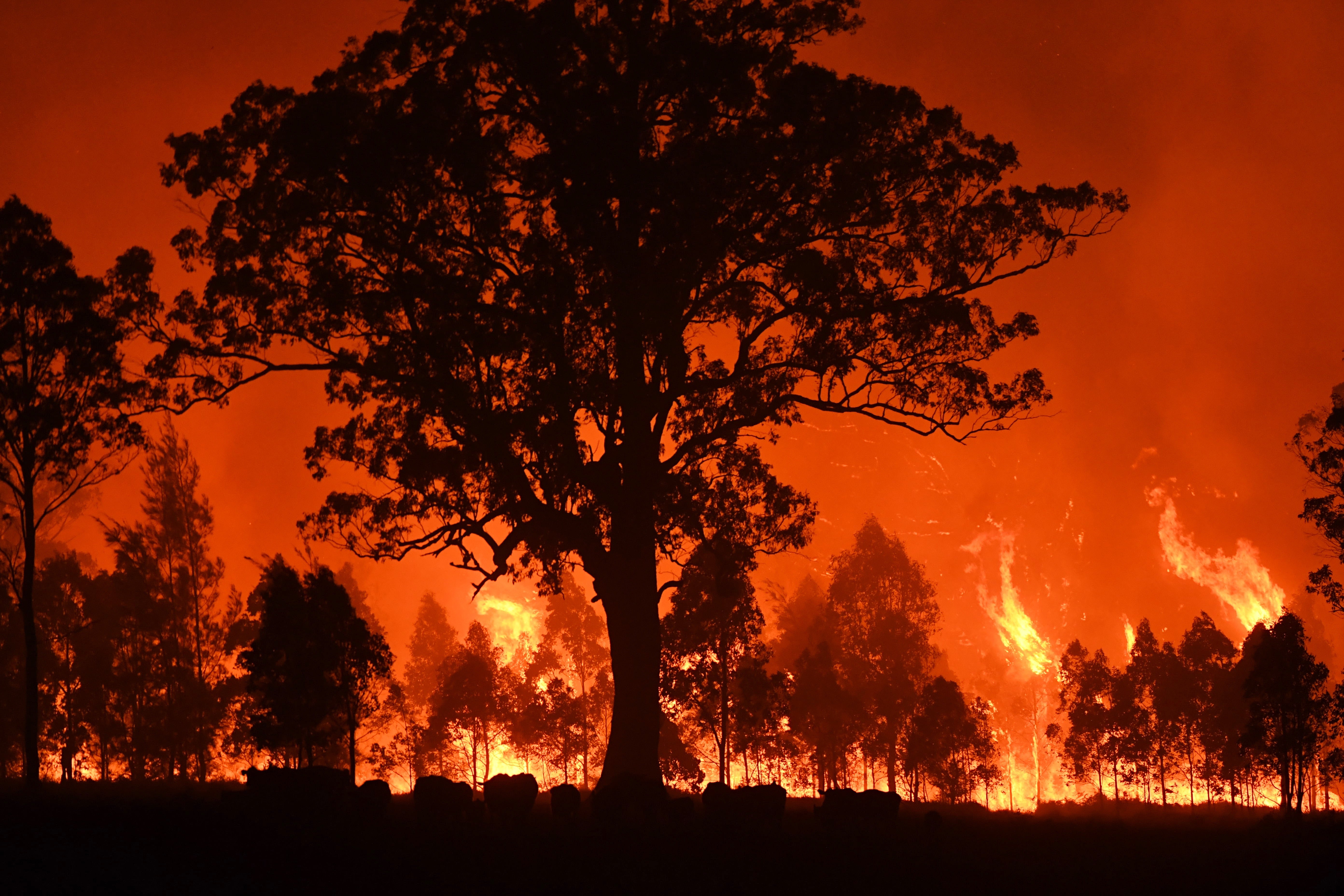
Comprehending Bushfire Threat Degrees
Understanding the differing levels of bushfire risk is important for reliable planning and prep work in mitigating potential dangers to lives and residential properties. Bushfire risk levels are generally categorized based on variables such as weather condition problems, gas availability, topography, and historical fire actions. By comprehending these danger individuals, areas and degrees can proactively apply techniques to minimize susceptability and improve strength despite potential bushfire events.The initial level of bushfire danger is low risk, where the chance of a bushfire happening and creating substantial injury is minimal. This level usually occurs during durations of low temperatures, moderate humidity, and very little wind rates. Moderate risk levels indicate an enhanced possibility for bushfires because of intensifying climate condition or gas availability. High-risk levels represent a substantial threat, with conditions for fast fire spread and extreme fire behavior. Extreme danger levels are one of the most critical, positioning impending danger to properties and lives due to extreme weather and very flammable fuels.
Understanding these bushfire threat degrees enables stakeholders to tailor their preparedness and feedback activities as necessary, making sure a proactive and reliable technique to bushfire management.
Creating a Defensible Area
Efficient bushfire administration begins with developing a defensible space around residential or commercial properties to boost defense against possible fire threats. A defensible room is a buffer area that produces an obstacle between a framework and the surrounding combustible vegetation. This room acts as a critical line of protection, giving firemens a secure area to operate and assisting to decrease the threat of a fire infecting the building.When establishing a defensible room, it is vital to consider the layout of the residential or commercial property and the bordering landscape. Cleaning greenery, specifically very flammable plants, within a particular distance of the residential property can aid avoid the fast spread of fires. In addition, maintaining a well-irrigated zone around the property can even more improve its defensibility.
Routine upkeep of the defensible area is critical to guarantee its efficiency. This includes cutting overhanging branches, getting rid of dead plants, and keeping the area totally free of debris. By investing time and initiative right into developing and maintaining a defensible space, residential property owners can substantially boost their opportunities of shielding their homes and assets throughout a bushfire.
Applying Fireproof Landscape Design
When making landscapes to alleviate the risk of bushfires, including fire-resistant aspects is vital for enhancing residential or commercial property defense and decreasing fire risks. Select plants with high wetness material, reduced oil material, and very little dead plants to lower the threat of fire spread.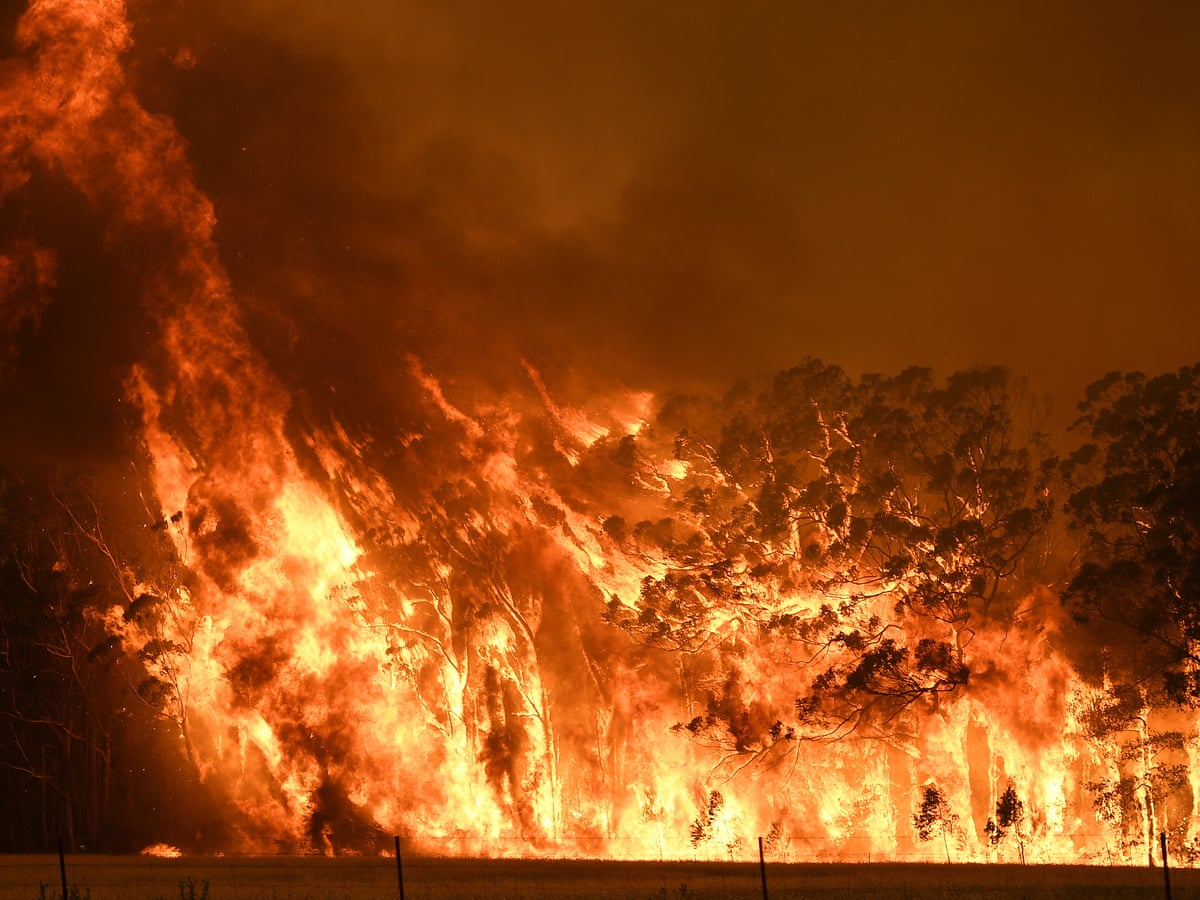
Creating an Emergency Discharge Plan
Developing an extensive emergency situation discharge strategy is essential for making certain the safety and wellness of people throughout prospective bushfire occurrences (Bushfire Management Plan). A reliable evacuation strategy must describe clear procedures to follow in case of a bushfire risk, consisting of assigned discharge routes, assembly factors, and interaction methodsTo begin developing an emergency situation discharge plan, it is vital to evaluate the certain threats and susceptabilities of your area. Recognize several discharge courses that bring about secure locations away from the fire, taking into consideration variables such as surface, roadway accessibility, and potential risks. Establish communication channels to alert locals of an upcoming discharge, using techniques such as sirens, text informs, or door-to-door notices.
Consistently testimonial and exercise the emptying strategy with all citizens or neighborhood members to ensure everyone understands their roles and obligations. Conduct drills to check the effectiveness of the strategy and make any kind of needed modifications. By having a well-prepared discharge plan in position, you can boost the opportunities of a risk-free and orderly discharge throughout a bushfire emergency.
Maintaining Fire Safety Equipment
After developing a comprehensive emergency situation evacuation prepare for bushfire incidents, it is vital to prioritize the normal upkeep of fire security devices to guarantee optimum capability and readiness. Regular maintenance of fire safety devices such as fire extinguishers, smoke detectors, emergency alarm, and automatic sprinkler is essential in safeguarding lives and home during a bushfire. Conducting regular evaluations, screening, and servicing of these devices by certified professionals is important to ensure they remain in working order when required.Fire extinguishers must be examined consistently for pressure levels, noticeable damage, and appropriate capability. Smoke detectors should have their batteries changed at the very least annually and undertake monthly testing to guarantee they are operational. Smoke alarm and sprinkler systems must be evaluated occasionally to verify they are linked and operating appropriately. Additionally, it is essential to keep fire safety and security equipment available, unblocked, and clearly identified for simple identification throughout an emergency. By diligently preserving fire security tools, individuals can enhance their preparedness and reaction capabilities in case of a bushfire.
Conclusion
Finally, reliable bushfire administration includes understanding threat levels, developing defensible spaces, executing fireproof landscaping, developing discharge plans, and preserving fire safety equipment. By adhering to these vital pointers, people can make certain much better fire security and safety for their buildings and communities. It is necessary to prioritize positive measures to alleviate the dangers connected with bushfires Bushfire Risk and to be planned for emergencies.By recognizing the nuances of bushfire danger levels, creating defensible spaces, carrying out fireproof landscaping, producing extensive emptying strategies, and guaranteeing the maintenance of fire safety and security tools, areas and individuals can substantially reinforce their strength versus the ravages of wildfires - BMP. These pointers are not only crucial for protecting versus prompt fire hazards but additionally for promoting lasting fire protection techniques that can make a considerable difference in the face of intensifying bushfire hazards
Risky degrees signify a substantial threat, with conditions favorable to fast fire spread and extreme fire habits. Routine upkeep of fire safety and security equipment such as fire extinguishers, smoke detectors, fire alarms, and lawn sprinkler systems is essential in protecting lives and residential or commercial property during a bushfire.In conclusion, effective bushfire management includes recognizing threat degrees, producing defensible areas, implementing fireproof landscape design, creating discharge strategies, and preserving fire safety equipment.
Report this wiki page